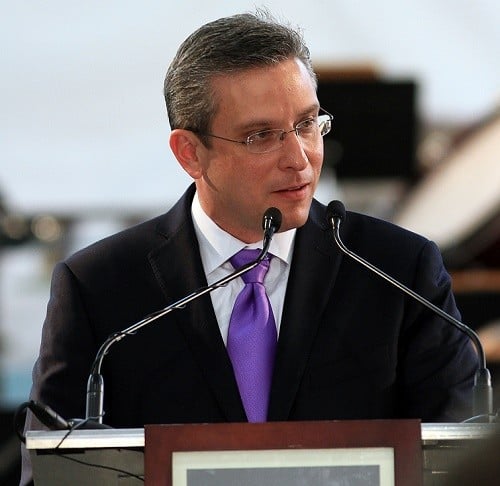
Alejandro García Padilla's Net Worth: Ex-Governor's Career & Finances
Understanding the financial standing of public figures, especially former heads of state, often provides a fascinating glimpse into their career trajectory and post-political endeavors.
Alejandro García Padilla's net worth is a topic of interest for many, reflecting a career marked by significant contributions to Puerto Rico's political landscape. From his humble beginnings to serving as the island's 11th Governor, García Padilla's journey is one of dedication to public service, intertwined with the complexities of managing personal finances in a high-profile role. This article delves into his life, career, and the financial estimations surrounding this prominent Puerto Rican politician.
From Modest Roots to Legal Scholar
Born on August 3, 1971, in the rural municipality of Coamo, Puerto Rico, Alejandro García Padilla's early life laid the foundation for his future commitment to public service. He was the youngest of six brothers, growing up in a modest three-room family home. His parents, Luis Gerardo García Sánchez and María de los Ángeles Padilla Passalacqua, instilled in him values of hard work, perseverance, and community. His father, a World War II veteran, exemplified diligence by rising from a bulldozer operator to a general manager of a manufacturing plant, while his mother was a devoted homemaker. This upbringing profoundly influenced García Padilla's commitment to advocating for the people of Puerto Rico.
His academic journey underscored his ambition and intellectual prowess. He pursued higher education at the University of Puerto Rico, where he earned a bachelor's degree in Political Science and Economics, providing him with a robust understanding of governance and market dynamics. Furthering his studies, he obtained a Juris Doctor from the Interamerican University of Puerto Rico School of Law. Notably, Alejandro García Padilla holds the distinction of being the first governor to have been entirely educated and resided solely within Puerto Rico throughout his life, a testament to his deep-rooted connection and loyalty to the island's institutions. This unique background highlights his authentic understanding of the local culture and challenges, a factor that profoundly shaped his political perspective.
A Distinguished Career in Law and Public Service
Alejandro García Padilla’s career began in the legal field, where he quickly established a reputation for diligence and expertise. He served as a law clerk at the Puerto Rico Court of Appeals, gaining invaluable insight into the judicial process. He then transitioned into private practice, specializing in various critical areas including Property, Estates, Contracts, and Administrative Law. His legal acumen was further shared through academia, as he also served as a law professor at the Interamerican University, mentoring aspiring legal professionals and contributing to the next generation of Puerto Rican legal talent.
His transition into politics was a natural progression for someone with his background and dedication to public welfare. In 2005, he was appointed Secretary of the Puerto Rico Department of Consumer Affairs under Governor Aníbal Acevedo Vilá’s administration. During his tenure, García Padilla earned recognition for his credibility and proactive approach to consumer protection. A notable achievement during this period was his successful effort to maintain gasoline prices lower than those in other U.S. regions, demonstrating his practical ability to deliver tangible benefits to citizens.
In 2007, he resigned from his secretarial post to pursue a senatorial position, reflecting his growing ambition to serve at a higher legislative capacity. His campaign resonated with voters, leading to his election as a Senator at-large in 2008. He achieved a remarkable feat by receiving the highest number of votes among all senatorial candidates, underscoring his broad appeal and public trust. As a senator, he continued to make significant contributions, serving as the ranking member on several influential committees, including Governmental Affairs, Public Safety, and Judicial Affairs, where he championed legislative initiatives aimed at improving governance and public welfare.
Governorship: Navigating Puerto Rico's Dire Challenges
The pinnacle of Alejandro García Padilla’s political career arrived in 2012 when he was elected the 11th Governor of Puerto Rico. His administration began in 2013 and concluded in 2017, a period that proved to be one of the most economically challenging in the island's modern history. He inherited a formidable crisis: a substantial public debt estimated at over $70 billion and a deep economic recession that had gripped the island for years.
Under his leadership, the government embarked on a challenging mission to restore fiscal responsibility and stimulate economic development. García Padilla's administration faced immense pressure to implement austerity measures while simultaneously attempting to protect essential public services and foster growth. These included difficult decisions regarding government spending, pension reform, and efforts to attract investment. One of the significant legislative actions during his tenure was the enactment of the Puerto Rico Public Corporation Debt Enforcement and Recovery Act. This critical legislation aimed to provide a legal framework for restructuring the debt of the island's struggling public corporations, an ambitious attempt to gain control over the escalating financial crisis.
Despite these concerted efforts, his tenure was also marked by controversies and intense public debates over the effectiveness and fairness of his policies. The severity of the economic downturn meant that any proposed solution was bound to be met with criticism and skepticism. The challenges were monumental, requiring a delicate balance between appeasing creditors, satisfying the demands of the populace, and navigating the unique political relationship between Puerto Rico and the United States. His time in office highlighted the immense pressures and often thankless tasks associated with leading a territory through an unprecedented financial meltdown.
Decoding Alejandro García Padilla's Net Worth
The financial standing of former public servants, particularly those who have held gubernatorial roles, often becomes a subject of public curiosity. When assessing
Alejandro García Padilla's net worth, it's important to consider his various professional avenues and public disclosures. As of published estimates in 2026, Alejandro García Padilla’s net worth is reported to be in the range of $100,000 to $1 million. It's crucial to note that these figures are often estimates based on available public information, salary disclosures, and typical earnings for individuals with similar professional histories, and can fluctuate.
His wealth accumulation stems from several sources throughout his career. Primarily, his income as an attorney, a law professor, a Senator, and most significantly, as the Governor of Puerto Rico, contributed substantially. Political salaries, while substantial, are generally a matter of public record and are not typically exorbitant compared to those in the private sector for executives with similar levels of responsibility. Post-governorship, individuals like García Padilla often engage in lucrative activities such as public speaking, consulting, legal practice, or serving on corporate boards, which can significantly enhance their financial portfolios.
Factors influencing such estimates include real estate holdings, investments, and any private business ventures. Public figures are often subject to financial disclosure requirements, offering some transparency, but these rarely provide a complete picture of an individual's total liquid assets or private investments. Understanding his financial journey often requires looking back at his path from humble beginnings, a journey elaborated further in
Alejandro García Padilla: From Modest Roots to Governor and Net Worth. For a detailed look at the projections for his financial standing, you might explore
Alejandro García Padilla Net Worth 2026: Wealth & Political Journey.
Legacy and Post-Governorship
Since leaving office in 2017, Alejandro García Padilla has remained a respected voice in Puerto Rican political discourse, though his activities have shifted away from the direct pressures of governance. Many former governors often return to their legal professions, engage in academic pursuits, participate in think tanks, or take on roles in the private sector. While specific details of his post-governorship financial activities are not always publicly detailed, it is common for individuals of his stature to command considerable fees for legal counsel, public speaking engagements, or advisory roles.
His legacy as governor is complex, marked by valiant efforts to navigate an unprecedented economic crisis. Despite the controversies and the ongoing nature of Puerto Rico's financial recovery, his administration made earnest attempts to implement fiscal discipline and structural reforms. His deep connection to Puerto Rico, being the first entirely locally educated and resident governor, underscores his commitment to the island's welfare and his authentic understanding of its people's struggles and aspirations. He continues to be a significant figure in the public consciousness of Puerto Rico, a testament to his enduring impact on the island's political landscape.
Conclusion
Alejandro García Padilla's journey from a modest Coamo upbringing to the Governor's Mansion of Puerto Rico is a compelling narrative of ambition, education, and unwavering public service. His career as an attorney, senator, and ultimately governor, was defined by challenging economic times for the island, prompting difficult decisions and significant policy actions. While specific figures regarding
Alejandro García Padilla's net worth remain estimates, they reflect a career built on public sector contributions, legal expertise, and a commitment to his homeland. His story serves as a reminder of the complexities inherent in political leadership and the intricate balance between public duty and personal financial trajectory.